
Industry
ESD flooring for cleanrooms and medical device
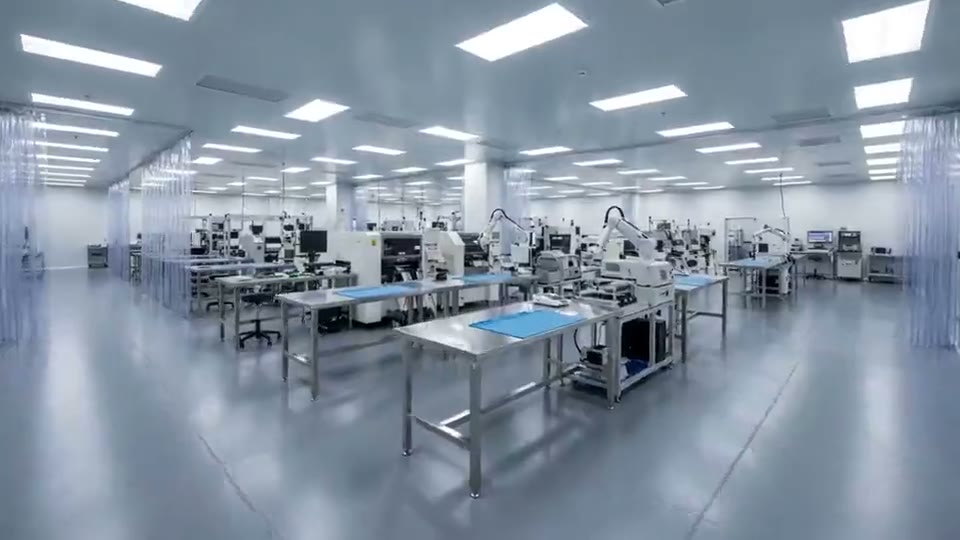
Classified space with a resistance specification on top. Two standards that do not reference each other, both binding on the same slab.[14]
What is different about these rooms
Monolithic beats seams
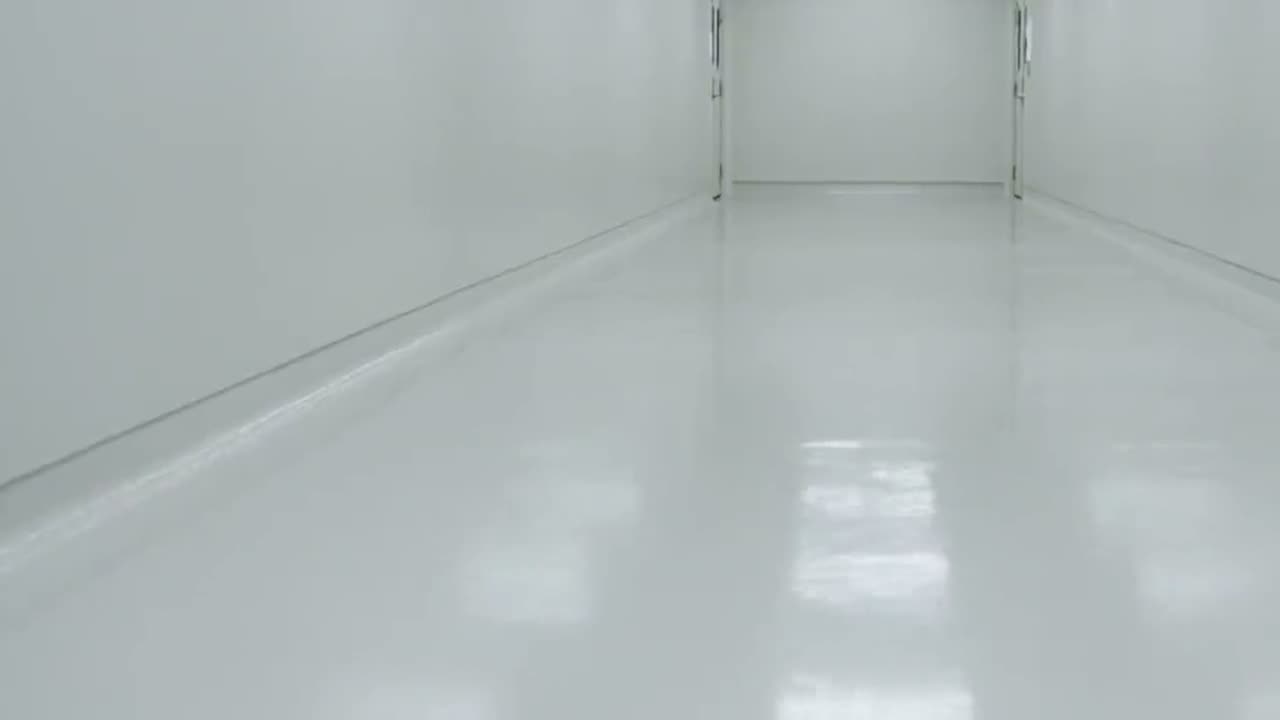
A seamless resinous system with coved walls removes the particulate collection points that tile joints create, which is the usual reason resinous is specified here.
Validation documentation is heavier
Medical device and pharmaceutical facilities treat the floor's qualification records as part of a validated environment, so what gets handed over matters more.
Cleaning is written before the floor goes down
The regime that keeps the room in class can take the floor out of resistance band. Both documents need to be on the table at the same time.
Sources
- Conductive and dissipative ESD epoxy technical data sheet, resistance and cure figures
Cited here for the conductive flooring/coating resistance band. The ESD Association's own consumer-facing page states only the <= 1.0 x 10⁶ ohm ceiling with no stated floor.
www.arcat.com - ISO 14644-1:2015, cleanroom classification by airborne particle concentration
Cleanroom classification by airborne particle concentration (ISO Class 1 through 9); referenced when an ESD floor also has to hold a cleanroom particulate rating.
www.iso.org
Every number on this page came from one of those documents. Send us the room and we will tell you which of them your floor has to answer to.