
Static control flooringTexas
A floor that holds 1.0 × 10⁶ ohms and keeps a walker under 100 volts
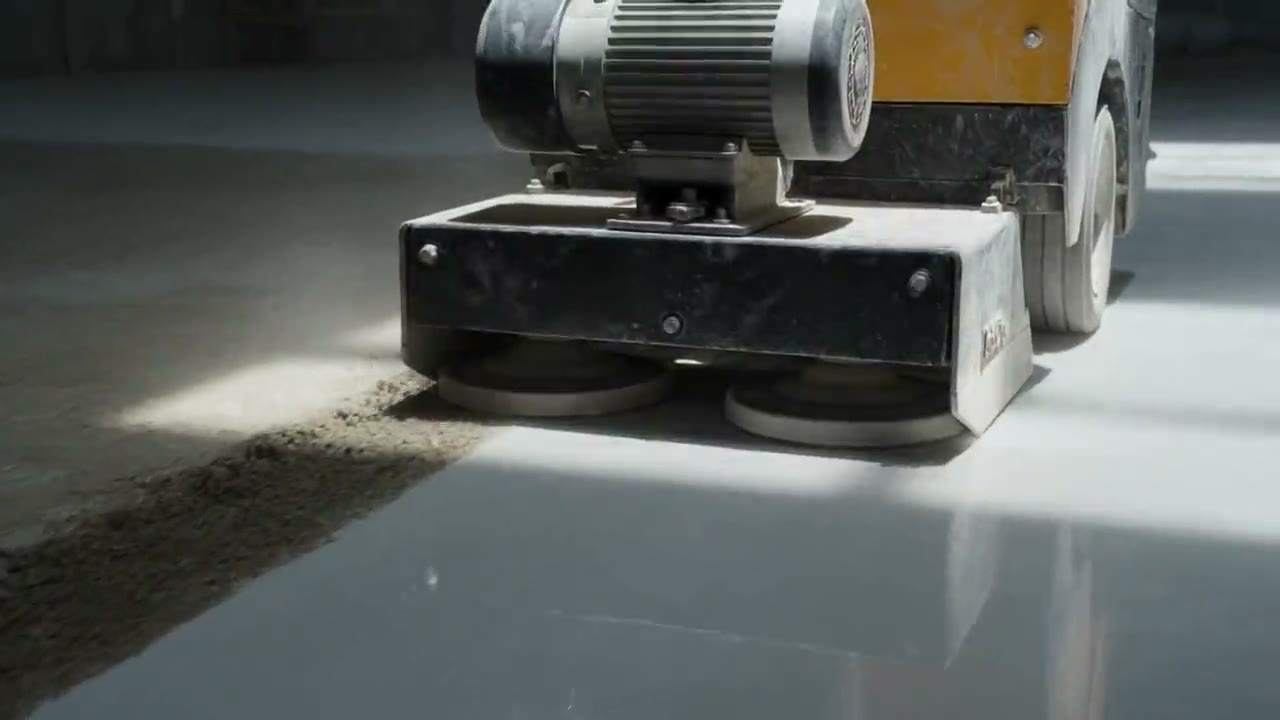
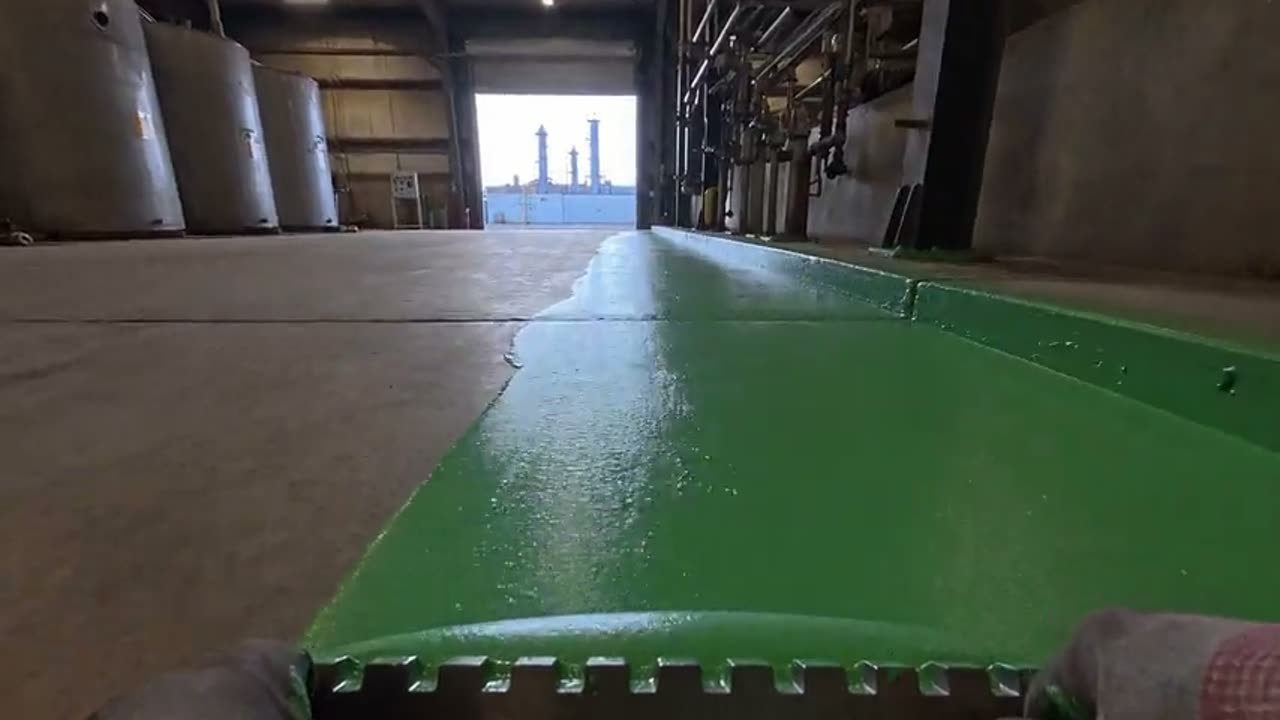
That pair of numbers is the whole job. ANSI/ESD S20.20 qualifies your floor by measuring a person, their footwear and the floor together[1], and the two tests behind it are STM97.1 for resistance[3] and STM97.2 for the volts a person actually generates walking on it[4]. We install the conductive grade, the tighter of the two bands, and we work across Texas.
What an ESD floor actually has to do
An ESD floor gives static somewhere to go before it reaches whatever you are building. It has to be conductive enough to bleed a charge away and resistive enough that a person standing on it is not a path to ground themselves. That is why the requirement is a band and never a single number.
2.5 x 10⁴ to 1.0 x 10⁶ ohms
The tighter band. It moves a charge away fastest, and it is what gets specified where a spark itself is the hazard rather than the part. We install this grade.
1.0 x 10⁶ to 1.0 x 10⁹ ohms
The wider band, and the default for most electronics work[5]. Slower bleed, which is the point when you want the charge to leave gently.
The cured system, line by line
Every figure below is the manufacturer's published technical data for the conductive system, checked line for line against the manufacturer data sheet[7] and already published by New Era[15]. Nothing below is our estimate.
| Property | Value | Test method |
|---|---|---|
| Compressive strength | 13,700 psi | ASTM D695 |
| Flexural strength | 9,000 psi | ASTM D790 |
| Tensile strength | 7,800 psi | ASTM D638 |
| Hardness | 85 Shore D | ASTM D2240 |
| Impact resistance | 120 in-lbs | ASTM D2794 |
| Abrasion resistance | 15 to 20 mg weight loss | ASTM D4060 |
| Adhesion to concrete | 400 psi (concrete failure) | ASTM D4541 |
| Flame spread | Class 1 flame spread class | ASTM E648 |
| Vapor permeance | 0.08 perms | ASTM E96 |
| Water absorption | under 0.05 percent | ASTM D570 |
The twelve documents that decide a floor
Most facilities only answer to two or three of these. Working out which ones apply to your room is most of the buying decision, so each is broken down with its numbers and its source.
What it costs, and why nobody quotes it blind
Most ESD floors we price in Texas land between $8 to $16 a square foot installed. That is our own estimate, not a brochure number, and it already includes measuring the finished floor under ANSI/ESD STM97.1 and STM97.2 and handing you the signed report.

$11 to $16 a sq ft
One line, one bay, one clean room. The prep, the grounding detail and the mobilisation all land on a small floor, so this is where the number per foot is highest.
$8 to $11.50 a sq ft
Big enough to move efficiently, small enough that the layout and the joints still drive the day.
$6 to $8 a sq ft
Long continuous pours, one mobilisation, one crew rhythm. Scale is the discount, and it is the only discount in this trade that is real.
For a sense check, the published range across the wider market runs 3.34 to 13.55 a square foot[8]. The bottom of that band is a 60,000 square foot pour on bare concrete. Your number moves on how much old floor has to come off, how flat the slab is, whether the room keeps running while we work, and which resistance band your spec calls for.
Who ends up needing one
The requirement almost always arrives from a document: a program spec, an audit finding, a customer contract, or a code that applies to the room.
 01
01Electronics manufacturing
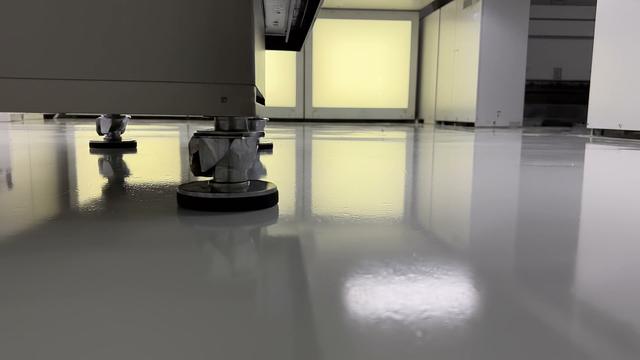
Board assembly, rework benches and test floors handling ESD sensitive parts.
 02
02Semiconductor and fab
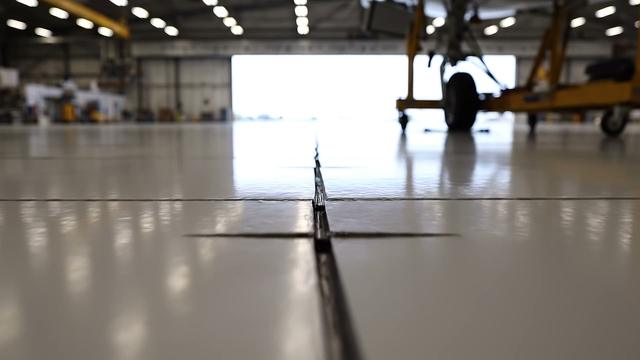
Wafer handling, probe and assembly areas inside a controlled environment.
 03
03Aerospace and avionics
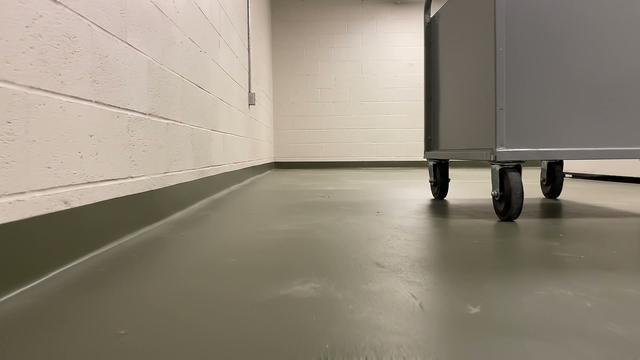
Avionics build and MRO areas where an ESD program is contract language.
 04
04Munitions and energetics
Load, assemble and pack areas where a spark itself is the hazard.
 05
05Data centers and network rooms
Equipment positions, network operations floors and 911 dispatch centers.
 06
06Cleanrooms and medical device
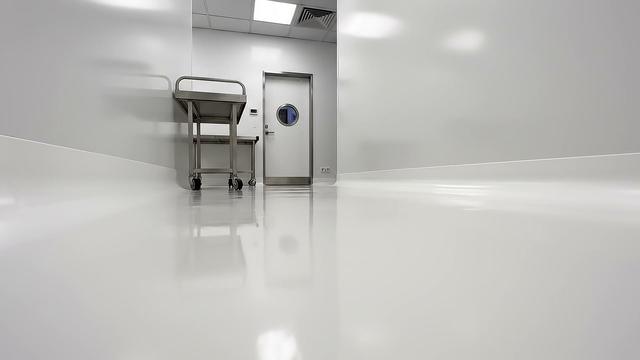
Classified space that also has to hold a resistance specification.
 07
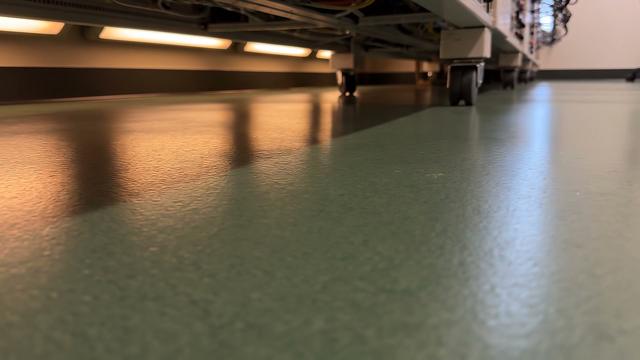
07Aviation and FAA facilities
Towers and communications rooms with a higher floor resistance floor.
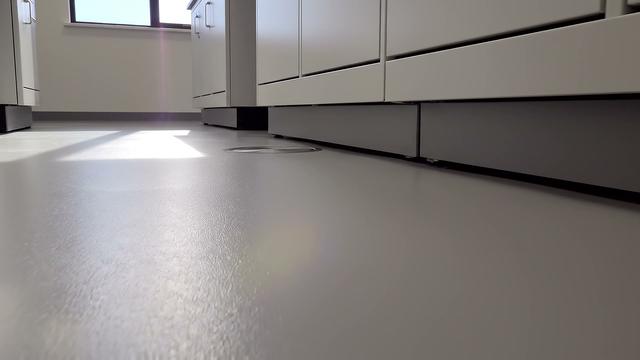 08
08Pharmaceutical and laboratory
Instrument rooms and production suites with static sensitive processes.

Electro static discharge
Flooring solutions
- Installed
- Tested
- Documented
- Across Texas
Across Texas
Crews cover 35 Texas markets, each with real static sensitive work in it. Tap the one closest to you.
35 Texas markets · each one with measured static sensitive work
 ESD Flooring Texas
Tell us about the room
Square footage, what is on the slab now, the resistance band your specification calls for, and the hours the space can be handed over.
0 of 5 answered
Questions we get every week
What resistance does an ESD floor need to meet ANSI/ESD S20.20?
S20.20 qualifies the system, not the floor on its own. A person wearing static control footwear standing on the floor has to measure under 1.0 x 10⁹ ohms under STM97.1, and generate under 100 volts walking on it under STM97.2[1]. The floor material itself is characterised separately under STM7.1[2]. The standards, explained one at a time.
What is the difference between conductive and static dissipative flooring?
It is the resistance band. Conductive runs 2.5 x 10⁴ to 1.0 x 10⁶ ohms and moves a charge fastest. Dissipative runs 1.0 x 10⁶ to 1.0 x 10⁹ ohms and bleeds it away more slowly[5]. Dissipative is the usual answer for electronics work. Conductive gets specified where a spark itself could set something off. More on the conductive grade.
How much does ESD flooring cost per square foot installed?
Most ESD floors in Texas land $8 to $16 a square foot installed, our estimate, with big continuous pours down to $6 to $8. For a sense check the wider published market runs 3.34 to 13.55 per square foot installed, from bid data across more than 250 commercial ESD projects[8]. Where you land depends on the condition of the slab, how much old coating has to come off, and whether the room stays in production. What actually moves the number.
Does NFPA require conductive flooring in our building?
Probably not, and this one catches people out. NFPA 99 used to require conductive floors in operating rooms using flammable anesthetics, and that requirement came out in the 2015 edition. It is still absent from the 2024 edition[9]. If you are not an explosives area under DESR 6055.09[10] or an FAA facility under FAA-STD-019[11], your requirement is far more likely ANSI/ESD S20.20. The NFPA 99 history in full.
How long before we can use the space again?
You can use the space again after 24 hours to foot traffic and 7 days to full vehicle traffic, at 70 F and 50 percent relative humidity[7]. A colder room takes longer, about 36 hours to foot traffic at 50 F. How the schedule works.
Our old floor still looks fine. Why would we replace it?
Because resistance drifts with wear, wax buildup and age, and none of that is visible. A floor can look perfect and fail a resistance test, or look rough and still pass. That gap is exactly why STM7.1 and STM97.1 testing exists instead of a visual check. What pushes a floor out of range.
Does the slab need a moisture test first?
The coating manufacturer sets limits that a slab has to be under before anything goes down: under 80 percent internal relative humidity under ASTM F2170, and 8 to 10 lbs per 1,000 sq ft per 24 hours under ASTM F1869[7]. Coating over a wet slab is how a floor fails early. The prep sequence.
Can you work around our production schedule?
Tell us how the room runs and we will build the sequence around it. Send the square footage, the resistance band your spec calls for and the hours the space can be handed over. Start there and we will come back with the plan.
438 answers, grouped by what you are trying to settle, every figure carrying the document it came from.
Sources
Every figure above is checkable. These are the documents behind them.
- ANSI/ESD S20.20-2021, the ESD control program standard for electronics handling
ESD control program requirements (administrative and technical) for any organization that handles ESD-sensitive electrical or electronic parts.
www.esda.org - ANSI/ESD STM7.1-2020, floor resistance test method for static control flooring
Floor systems resistive characterization: the test method for qualifying floor materials before installation and for accepting and monitoring them after installation.
www.esda.org - ANSI/ESD STM97.1-2025, person plus footwear plus floor system resistance test
System resistance measurement of a person, footwear, and floor tested together; this is the test behind S20.20's under-1.0 x 10⁹ ohm system ceiling.
webstore.ansi.org - ANSI/ESD STM97.2-2016, walking body voltage test for static control footwear
Voltage measurement on a person walking the floor while wearing static control footwear; this is the test behind S20.20's under-100 V limit.
www.esda.org - ESD Association: conductive or dissipative static control flooring, how to choose
Cited here for the static-dissipative flooring resistance band per the ESD Association.
www.esda.org - IEC 61340-5-1:2024 Edition 3, the international ESD control program standard
International equivalent of ANSI/ESD S20.20: general requirements for an ESD control program protecting electronic devices.
webstore.iec.ch - Conductive and dissipative ESD epoxy technical data sheet, resistance and cure figures
Cited here for the conductive flooring/coating resistance band. The ESD Association's own consumer-facing page states only the <= 1.0 x 10⁶ ohm ceiling with no stated floor.
www.arcat.com - ESD flooring cost per square foot installed, from 250+ commercial project bids
Cited here for the published Texas/national ESD flooring market price range, derived from real bid data on 250+ commercial ESD projects.
craftsmanconcretefloors.com - Why ESD floor resistance requirements differ by industry, and what NFPA 99 dropped
Cited here for the historical conductive-floor resistance range for hospital operating rooms.
incompliancemag.com - DESR 6055.09, DoD explosives safety rule requiring conductive flooring in AA&E areas
Explosives safety standards for DoD operations; makes CONDUCTIVE (not merely dissipative) flooring mandatory in ammunition load/assemble/pack, explosives processing, propellant casting.
www.denix.osd.mil - FAA-STD-019, floor resistance and grounding requirements for FAA facilities
Lightning and surge protection, grounding, bonding, and shielding for FAA facilities and electronic equipment.
staticworx.com - ASTM F2170-19a, in situ concrete slab relative humidity test before coating
Determining relative humidity inside a concrete slab using in-situ probes; the moisture test a slab has to pass before an epoxy topcoat goes down.
store.astm.org - CSI MasterFormat 09 67 23 Resinous Flooring, the section an ESD spec is written under
The base specification section a resinous ESD/conductive epoxy system is written under. MasterFormat has NO dedicated static-control subsection under 09 67 23. The only dedicated.
www.buildsite.com - ISO 14644-1:2015, cleanroom classification by airborne particle concentration
Cleanroom classification by airborne particle concentration (ISO Class 1 through 9); referenced when an ESD floor also has to hold a cleanroom particulate rating.
www.iso.org - New Era Epoxy ESD static control flooring, published cured system data
Cited here for the conductive resistivity, as published on neweraepoxy.com's own ESD flooring page and matched line for line in the manufacturer TDS behind it.
neweraepoxy.com - How ESD flooring is qualified, and the legacy 3.5 x 10⁷ ohm series path
Cited here for the alternate/legacy system resistance qualification path for person plus footwear plus floor in series.
incompliancemag.com - ESD TR53, compliance verification testing for ESD control items already in service
Technical report for compliance verification testing of ESD control items already in service; the document a facility's periodic floor-resistance recheck follows.
www.esda.org - Does an ESD control program require humidity control, and the 2024 change
Cited here for the IEC 61340-5-1:2024 lets ESD control items, flooring included, be qualified at the facility's own lowest annual relative humidity rather than an arbitrary fixed.
incompliancemag.com
Every number on this page came from one of those documents. Send us the room and we will tell you which of them your floor has to answer to.